Our Story

Zambia Flying Doctor Service

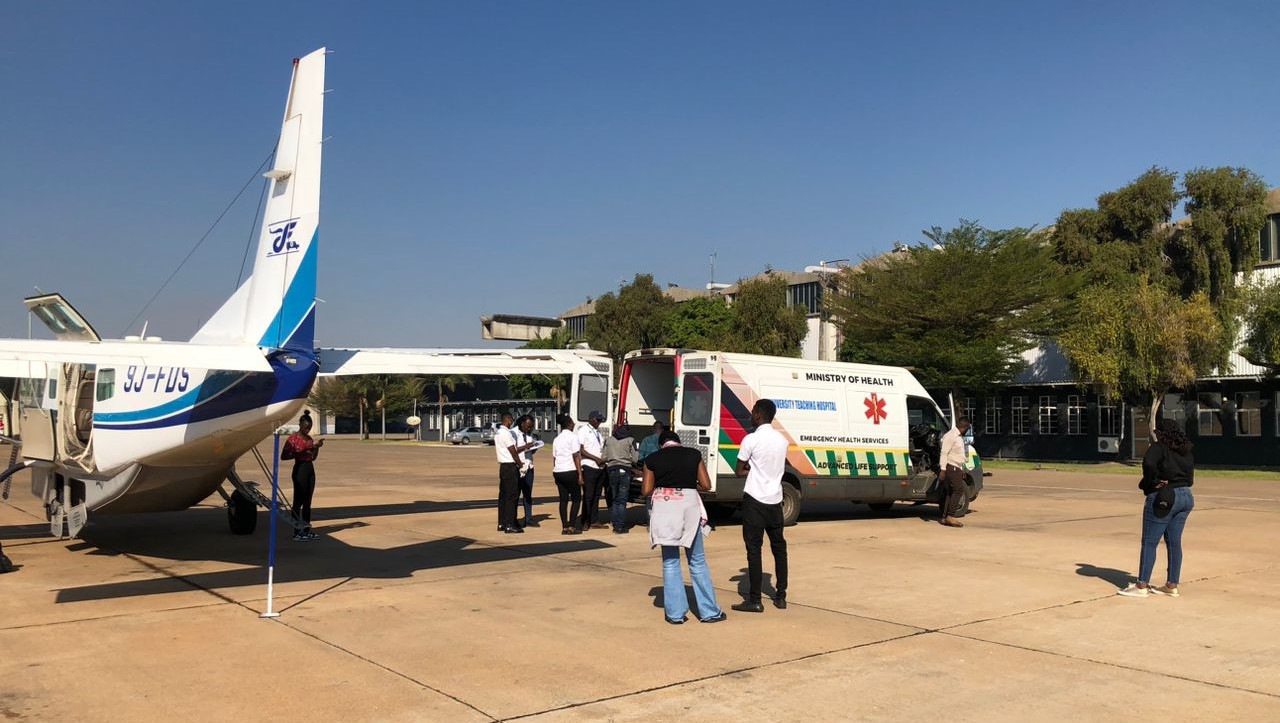
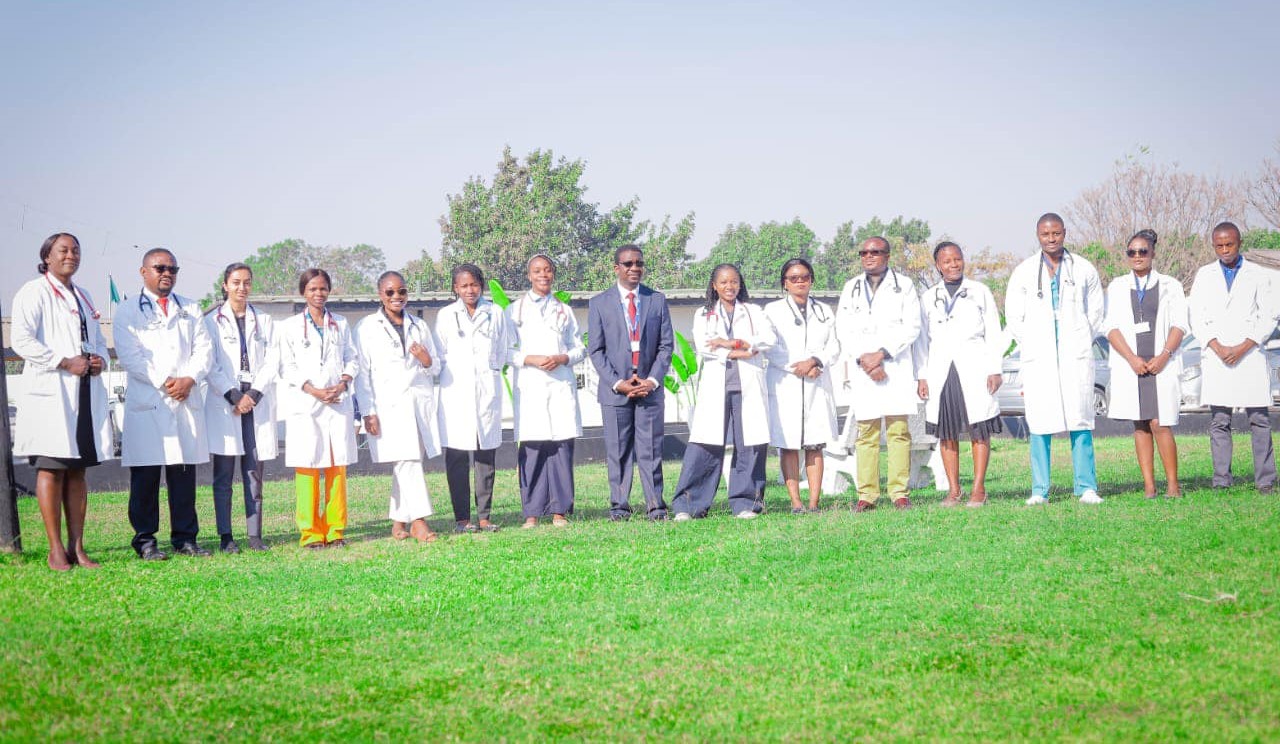
The Zambia Flying Doctor Service (ZFDS) is a grant-aided service delivery statutory board under the Ministry of Health (MoH) that was created under an Act of Parliament No 37 of 1967 with amendment No 18 of 1972 and repealed by act No 25 of 1975 Chapter 298 of the Laws of Zambia. It was founded by Dr. James Lawless in 1965. The FDS Act provides for the establishment, management and development of the Zambia Flying Doctor Service

Our Mission

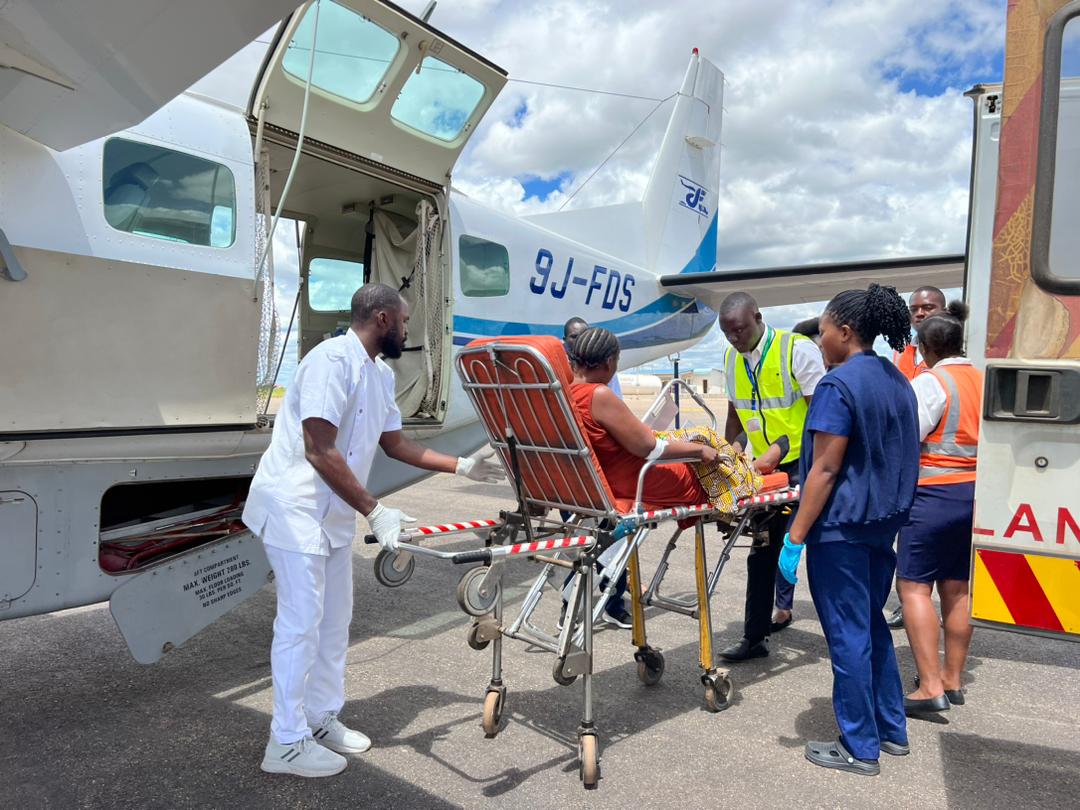
To provide cost effective, quality and efficient aero-medical services in remote, rural and hard to reach areas and other parts of the country in order to combat human diseases and save lives

Outreaches Done
People Reached

Make an impact.
Save lives.

Ambulance App Preview

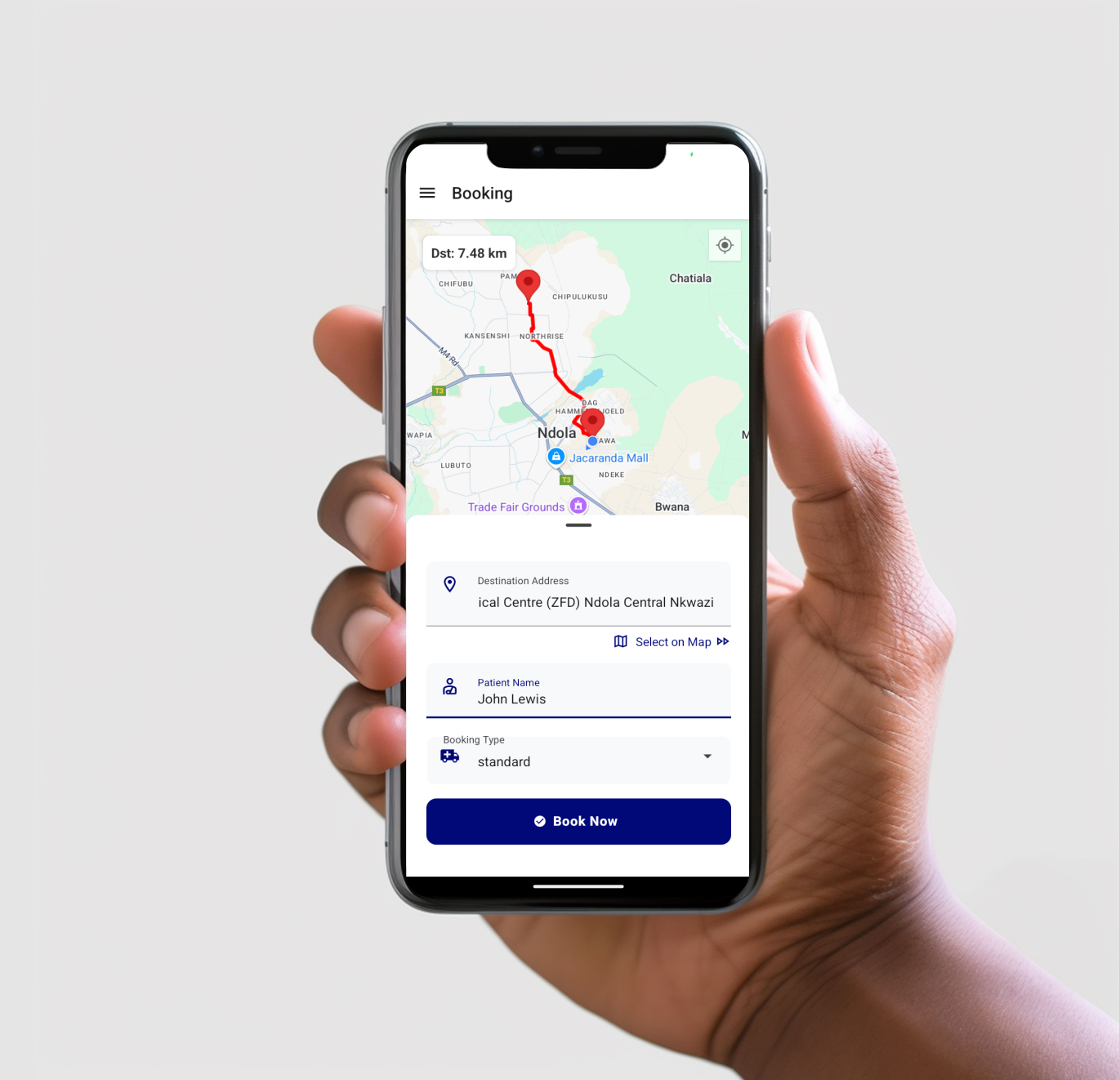
Emergency Assistance at Your Fingertips

Book ambulance services instantly with our user-friendly mobile application.

Instant Booking

Request ambulance in emergency situations in 3 easy steps

Real-Time Tracking

Live location tracking of dispatched ambulance

Verified Providers

Certified medical professionals on every call

Latest News
#zambiaflyingdoctorservice, #mayukwayukwaoutreach, #universalhealthcoverageforall

09 December 2025

By Public Relations Team

0 Comments

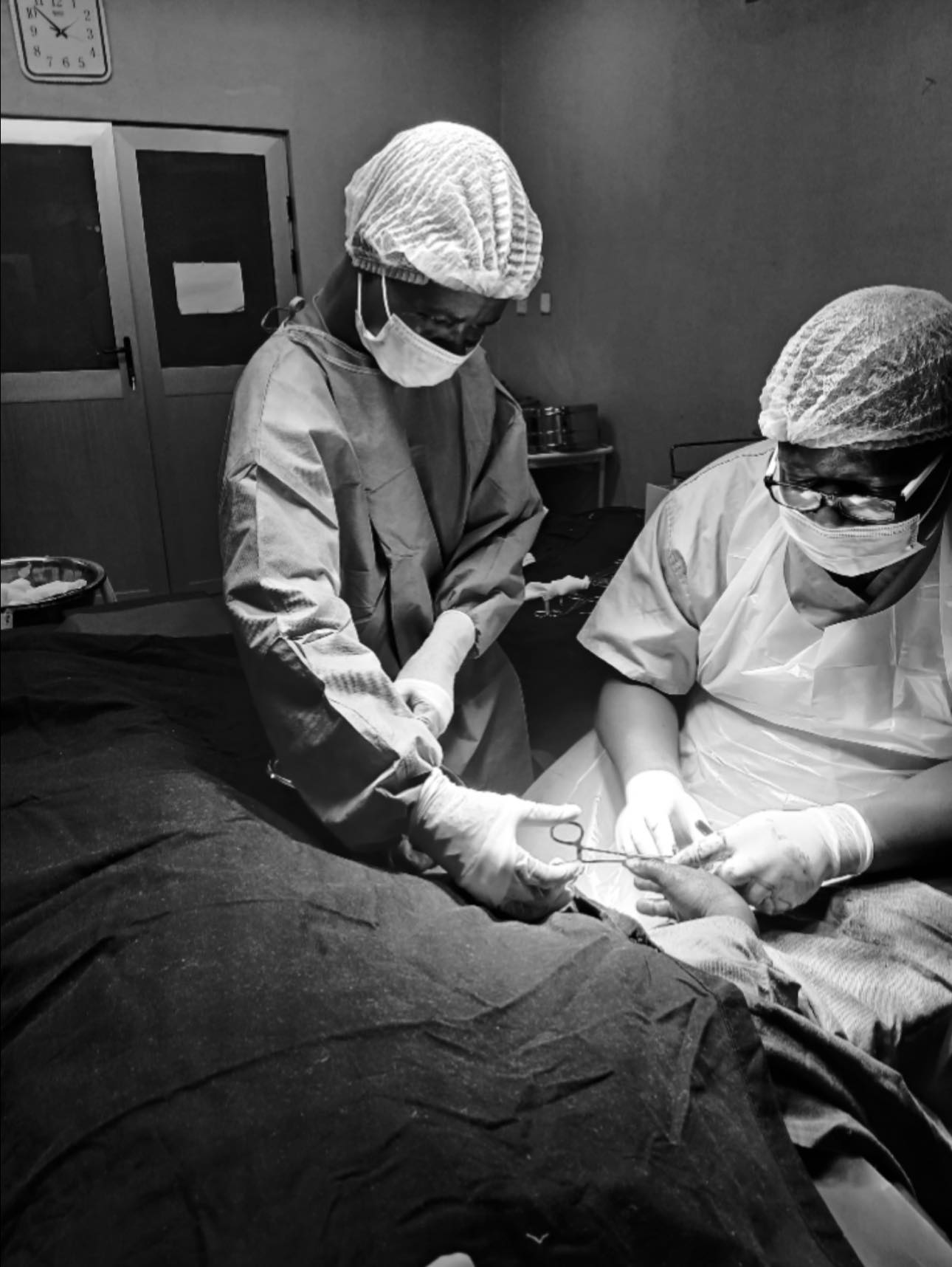
A teenage boy from Namalazi 2 Kaposhi rural community in Kaoma, Western Province, is recovering following emergency surgery performed by ZFDS Surgeon Dr. Kelly Makonko. The operation became necessary after a snakebite incident over a week ago resulted in the loss of his right index finger.
The boy was out with friends searching for mice—a common activity among children in the area—when he reached into a hole and was bitten by what is believed to be a cytotoxic snake, known for causing severe tissue damage. The venom caused cellulitis and eventually dry gangrene of the finger.
According to his grandmother, this was the boy's second snakebite. He survived a previous incident the year before after traditional treatment was applied. However, this time the same remedies proved ineffective. The delay in seeking medical care at Mangango Mission Hospital allowed the condition to deteriorate until the finger became gangrenous.
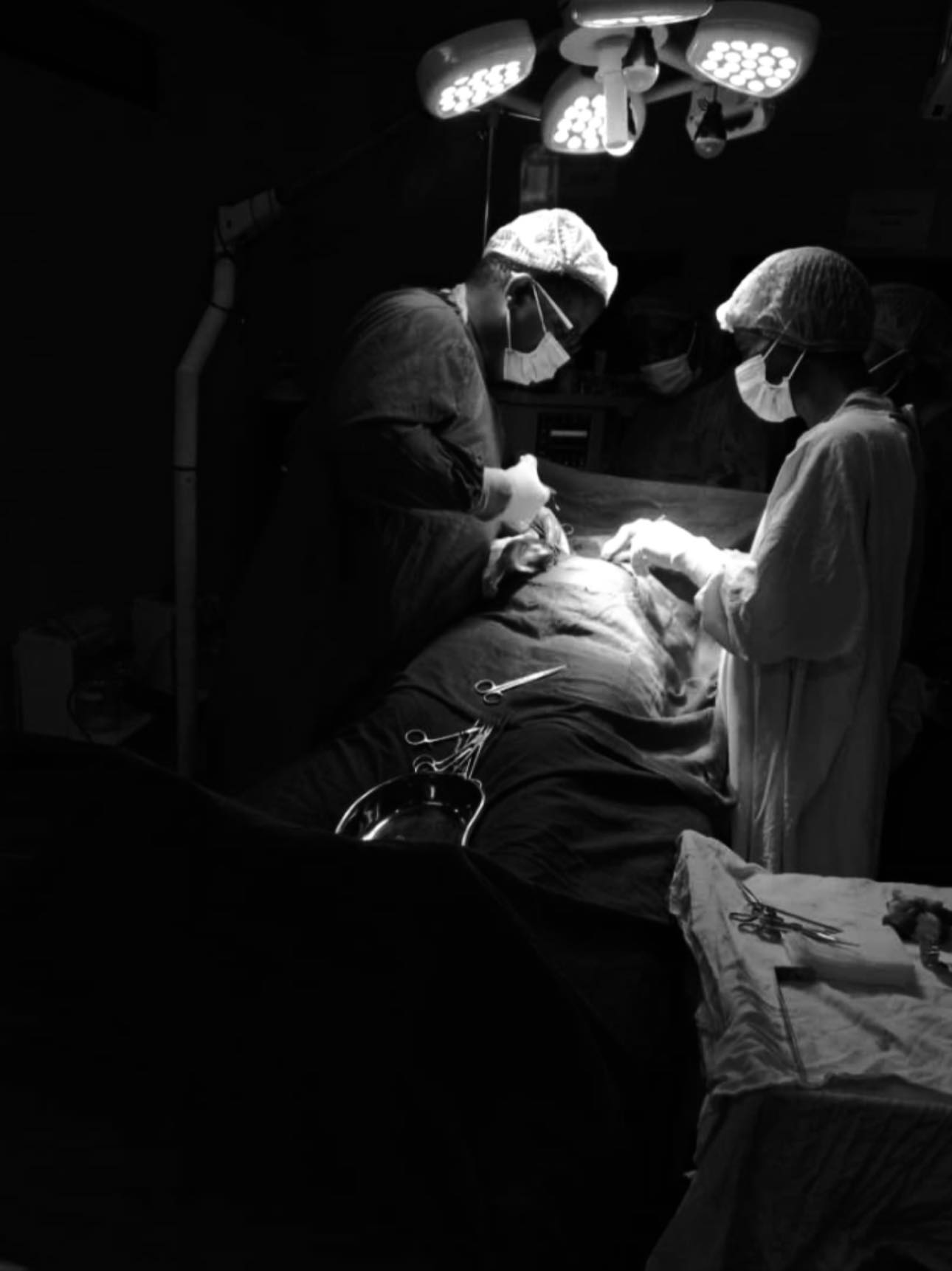
Dr. Makonko performed a disarticulation of the right index finger to remove the dead tissue and prevent infection from spreading. The procedure was successful thanks to coordination by the ZFDS team, which included Patrick Chingumbe and Emmanuel Nyau (Anaesthetists), Simon Tembo (Theatre Nurse), and Catherine Liyato (Cleaner).
Dr. Makonko noted concern about the psychological impact of losing such a functional digit. "The index finger plays a big role in writing, holding objects, and performing everyday tasks. He may need counselling," he explained.
In other news A 27-year-old mother of four from Mayukwayukwa Refugee Camp came forward when she learned the ZFDS team was visiting, hoping for treatment of severe keloids that have plagued her for six years. What began as small pimples gradually developed into large, painful, and itchy keloid growths.
The woman described how the condition has impacted nearly every aspect of her daily life. The pain and size of the growths have made it impossible for her to do piecework, work in the fields, or even carry her youngest child on her back. She expressed desperate hope for relief and willingness to travel to any hospital for proper treatment.
Dr. Kelly Makonko assessed her condition and determined it requires specialized care from plastic surgeons. Recommendations were made to Lewanika General Hospital, which is expected to refer the patient to the University Teaching Hospital (UTH) in Lusaka for further management.
These are some of the rare cases found in the rural parts of our Country and we continue to bridge the gap to ensure health care is accessible to all.

#zambiaflyingdoctorservice, #chililabombwemunicipalcouncil, #kasumbalesaboarderpost, #preventcholera

07 December 2025

By Public Relations Team

0 Comments

The Zambia Flying Doctor Service (ZFDS) has successfully concluded a five-day public health intervention at Kasumbalesa border post, focusing on Cholera disease prevention and community health awareness.
The campaign, which was officially launched on Tuesday by Ndola District Commissioner Precious Njekwa, who represented the Minister of Copperbelt Hon.Elisha Matambo, targeted critical areas at the busy international border crossing between Zambia and the Democratic Republic of Congo.
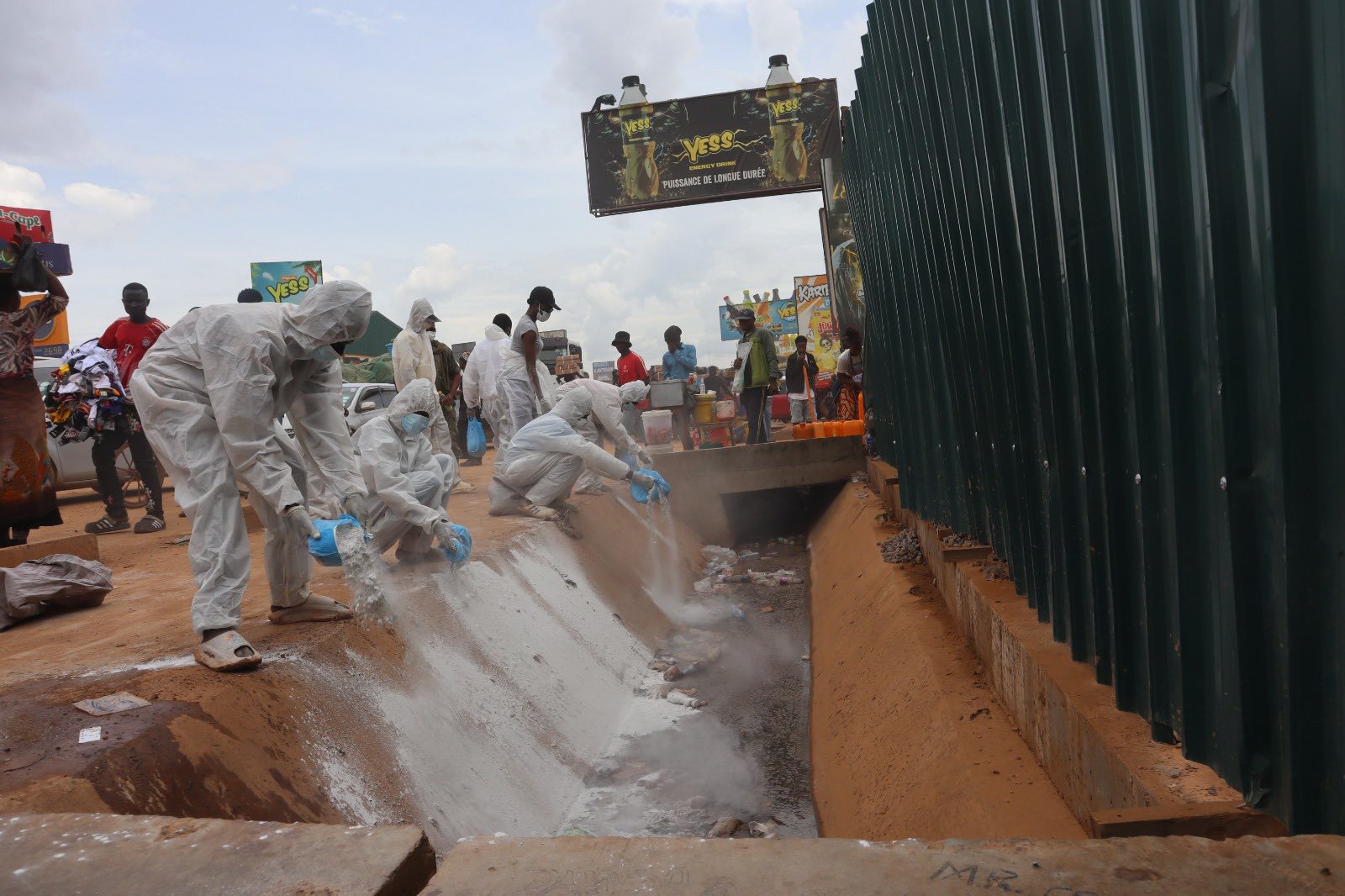
The comprehensive initiative included sensitization sessions, liming activities, and distribution of essential health supplies across two key wards: Anoya Zulu Ward and Kasumbalesa Ward.
The health team concentrated their efforts on high-traffic areas identified as critical for disease prevention:
*Main shelters and accommodation facilities.
*Ablution blocks and sanitation areas.
*Truck parking zones where drivers congregate.
*Markets where live animals are sold
To equally support hygiene and disease prevention, the team distributed:
*Chlorine for water treatment and disinfection.
*ORS (Oral Rehydration Solution) sachets for managing dehydration and diarrheal diseases
*lime for the pit latrines and drainages that have collected water.
This intervention comes in the context of the Ministry of Healths ongoing efforts to control cholera, following the Country outbreak in history which began in October 2023.
The outbreak, which peaked in early 2024, affected all ten provinces and resulted in over 23,000 cases.
Lusaka was the epicenter, but the Copperbelt Province, where Kasumbalesa is located, also saw significant transmission.
The Government declared a commitment to ending cholera by 2030, with President Hakainde Hichilema serving as the Global Cholera Champion.
The current rainy season, which runs through June, poses heightened risks for cholera transmission, making preventive interventions at high-traffic areas like border posts particularly critical.
The intervention aims to reduce the spread of waterborne diseases and improve sanitation standards at this busy international border crossing.
The Zambia Flying Doctor Service and the Chililabombwe Municipal Council presence at Kasumbalesa underscores the Governments commitment and importance of preventive health measures at border areas, where large numbers of people, goods, and vehicles pass through daily between Zambia and the Democratic Republic of Congo. Together we can fight Cholera.

#zambiaflyingdoctorservice, #eyecareforallzambians, #kaputaoutreach

06 December 2025

By Public Relations Team

0 Comments

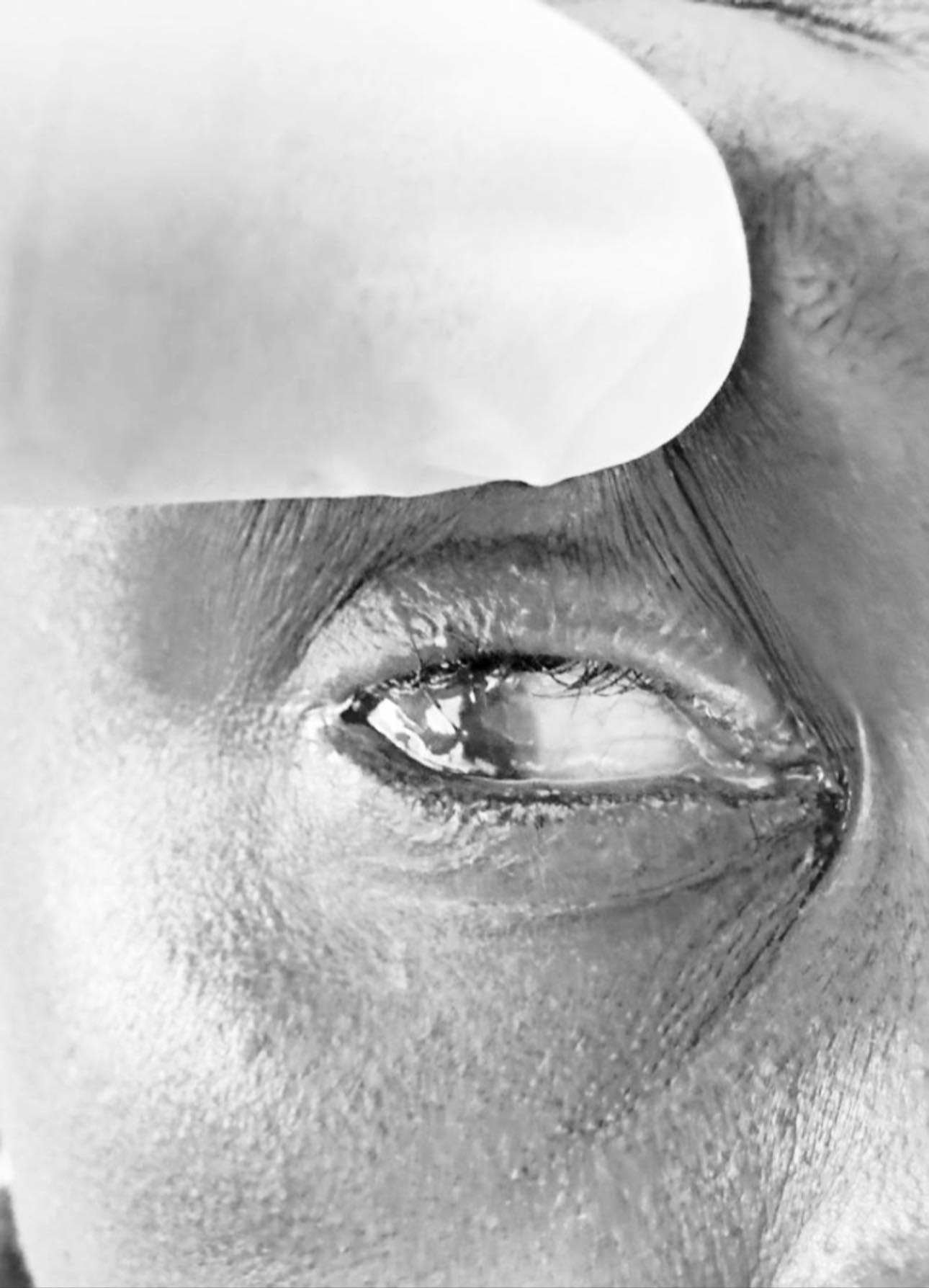
The Zambia Flying Doctor Service (ZFDS) has identified multiple cases of trachoma, a preventable infectious eye disease, during the ongoing outreach in Kaputa District, Luapula province prompting urgent community health interventions.
Confirmed cases were found in Muchenja, Chocha, and Kasungwe, while suspected cases were noted in Kalaba. All confirmed cases have been assessed and treated according to standard medical guidelines.
Trachoma is an infectious eye disease caused by the bacterium Chlamydia trachomatis, which spreads through direct contact with eye or nasal discharge, shared cloths, and flies.
Repeated infections can cause scarring of the eyelids and eventually lead to permanent vision loss if not addressed early.
The disease remains a significant public health concern in parts of Kaputa District, particularly in rural areas where access to clean water and sanitation facilities may be limited.
In response to the findings, ZFDS medical personnel conducted extensive Information, Education, and Communication (IEC) sessions with community members in the affected areas. Residents were educated on recognizing symptoms, preventing the spread of infection, and seeking early treatment.
Some of the Key preventive measures emphasized during the outreach include:
*Regular face washing, especially for children.
*Proper sanitation and safe waste disposal.
*Avoiding sharing towels or cloths.
*Keeping living environments clean to reduce fly breeding.
The district health team has been formally notified and is working to support further interventions. These include broader case finding efforts, increased disease surveillance, and the establishment of community-level preventive programmes to halt further spread in the affected areas.
The ZFDS intervention highlights the critical need for continued health education and improved sanitation infrastructure in rural communities to prevent trachoma and protect residents from preventable blindness.

Get in touch

Contact Infomation

Plot number 2965, Hangar No 1B at Zuze Airforce Base, Ndola.

(+260) 212-618228, 00212-613890, 0212611417/8

zfdsadmin@zfds.org.zm

Get Direction

Contact form

Or, you can just send an email: zfdsadmin@zfds.org.zm